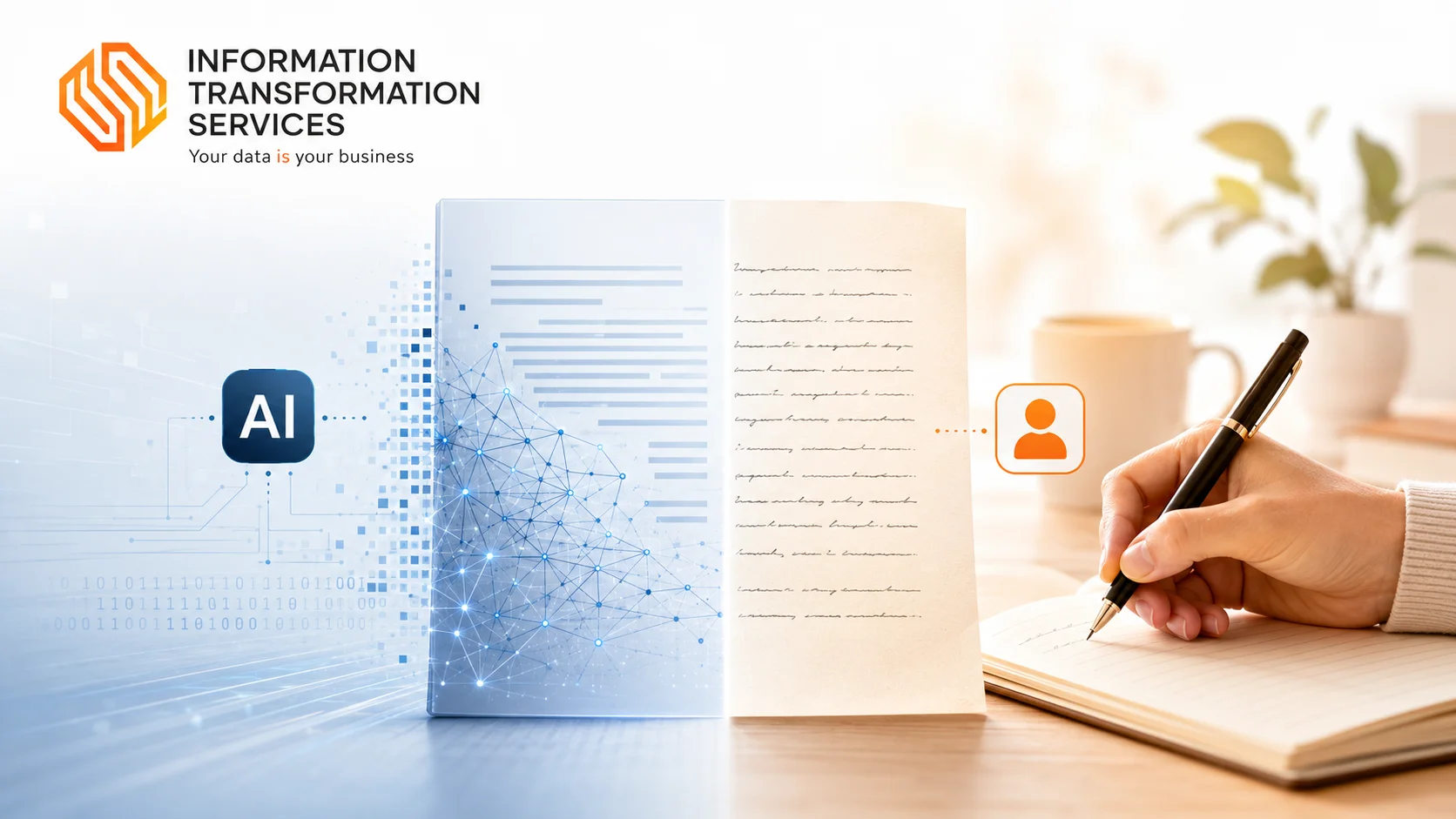
AI vs human writing has become a common debate because people now use AI tools for blogs, emails, social media posts, product descriptions, and even professional reports. At first, AI-generated content and human-written content can look almost the same. Both can have clean grammar, proper structure, and a clear message. But when you look deeper, the real differences appear in tone, emotion, originality, context, and trust.
This comparison guide explains the main differences between AI and human writing in a simple and practical way. AI can help writers create content faster, but speed alone does not make writing valuable. Real writing still needs clear thinking, personal experience, audience understanding, and human judgment. That is why the best approach is not always choosing one over the other, but understanding where AI works well and where human writing still makes the biggest difference.
Core Difference Between AI and Human Writing
The core difference between AI and human writing is not only about speed, grammar, or structure. The real difference is in how both create meaning. AI writing starts with data. It follows patterns, predicts words, and creates content based on the prompt it receives. That is why AI can produce clean and well-organized content very quickly.
Human writing starts from understanding. A human writer can think about the reader, connect ideas with real situations, and choose words with a clear purpose. This makes human writing more personal, flexible, and emotionally aware.
In simple words, AI can create content that looks polished, but human writing usually feels more thoughtful. AI can help you write faster, but humans bring judgment, originality, and context. These differences between AI and human writing style become more clear when you look at tone, depth, examples, and the way the content connects with the reader.
AI Writing Is Based on Patterns and Data
AI writing tools work by learning from large amounts of existing text. They understand common sentence structures, writing formats, and word patterns. When you give them a prompt, they predict what should come next and turn that prediction into readable content.
This makes AI useful for quick drafts, outlines, product descriptions, emails, and basic blog sections. However, because AI depends on existing patterns, its writing can sometimes feel familiar or predictable. It may explain the topic clearly, but it does not always bring a fresh angle unless a human guides and edits it.
For example, AI can write a clean paragraph about a product in seconds. But if you want that paragraph to reflect real customer pain points, brand personality, or personal experience, human input becomes important.
Human Writing Is Based on Experience and Understanding
Human writing works differently because it comes from real thinking, observation, and experience. A human writer can understand why a reader is searching for something, what problem they want to solve, and what tone will keep them engaged.
This is where human writing becomes stronger. It can include personal opinions, practical examples, cultural understanding, humor, emotion, and real-life details. These elements make the content feel more natural and trustworthy.
For example, a human writer does not only explain a topic. They can say what matters most, what readers should avoid, and where people usually get confused. That kind of judgment helps readers feel guided, not just informed.
AI Can Imitate Style, But Humans Create Original Voice
AI can copy a writing style if you describe it clearly. It can sound friendly, professional, simple, formal, or persuasive. But copying a style is not the same as creating an original voice.
A human writer builds voice through personality, experience, and intention. Their writing may have rhythm, emotion, and small imperfections that make it feel real. This is why real writing often connects better with readers. It does not only deliver information; it creates trust.
AI can support the writing process, but humans give the content its final direction. The best writing usually happens when AI helps with speed and structure, while a human adds meaning, originality, and emotional connection.
How to Tell the Difference Between AI and Human Writing
Once you understand how AI and humans create content, the next step is knowing how that difference appears on the page. Sometimes AI writing and human writing look similar at first. Both can use correct grammar, proper headings, and clean sentences. But when you read closely, you can usually notice the gap in tone, depth, and connection.
The easiest way to understand human vs AI writing style differences is to ask one simple question: does the content feel like it was written with real thought, or does it only sound well-arranged? AI can organize words nicely, but human writing often carries intention, emotion, and personal judgment.
AI Writing Often Sounds Too Polished or Predictable
AI writing usually sounds clean, smooth, and highly structured. That can be useful, but it can also make the content feel too perfect. Many AI-written paragraphs follow the same rhythm: they introduce a point, explain it safely, and end with a general statement.
This is one reason AI content can feel predictable. It may use balanced sentences, common phrases, and safe explanations without taking a strong angle. The writing may look professional, but it may not feel memorable.
A simple check is this: if the paragraph sounds correct but does not give you anything new, personal, or specific, AI may have played a role.
Human Writing Has Emotion, Personality, and Natural Flow
Human writing usually feels more natural because it carries the writer’s thinking style. A human writer may use a short sentence for impact, add a personal example, change the rhythm, or explain something in a way that feels conversational.
This does not mean human writing is always perfect. In fact, small variations often make it feel more real. A human writer can show curiosity, doubt, confidence, humor, or concern. These details help readers feel that there is a real person behind the words.
That personal touch builds trust, especially in content where experience, opinion, or practical advice matters.
AI Content May Lack Depth, Examples, and Real Experience
AI can explain a topic, but it often struggles to add real experience. It may describe a problem correctly, but it may not show what that problem looks like in real life. This is where human writing becomes stronger.
For example, AI can explain why content needs a natural tone. But a human writer can add what actually happens when readers leave a page because the writing feels robotic. That kind of practical insight makes the content more useful.
So, when you want to know how to tell if something is written by AI, look beyond grammar. Check whether the content gives specific examples, clear reasoning, real experience, and helpful judgment. If it only explains the surface, it may need a human touch.
Pros of AI Writing
AI writing has several useful benefits, especially for people who need fast, clear, and scalable content:
-
Speed and Efficiency: AI can create drafts, outlines, emails, captions, and blog sections within seconds.
-
Content at Scale: AI helps businesses produce large amounts of content, such as product descriptions, social media posts, and web pages.
-
Cost-Effective Writing: AI can reduce content production costs, especially for basic, repetitive, or short-form writing tasks.
-
Idea Generation: AI can suggest blog topics, headlines, outlines, and content angles when writers feel stuck.
-
Consistent Structure: AI keeps the format, tone, and flow consistent across different pieces of content.
-
First Draft Support: AI gives writers a starting point, so they do not have to begin from a blank page.
-
Editing and Grammar Help: AI can improve grammar, sentence clarity, spelling, and readability.
-
Useful for Non-Writers: AI helps people who are not professional writers create simple and readable content.
-
Better Productivity: AI handles routine writing tasks, so human writers can focus on strategy, creativity, and final editing.
-
Helpful Writing Assistant: AI works best as a support tool, not a complete replacement for human judgment and originality.
Cons of AI Writing
AI writing has some clear limitations. It can help with speed and structure, but it still needs human control, especially when quality, trust, and originality matter.
-
Generic Writing: AI can produce content that sounds common, safe, or similar to many other articles online.
-
Repetitive Ideas: AI may repeat the same point in different words, especially in long-form content.
-
Lack of Real Emotion: AI can describe emotions, but it does not feel them. This can make the writing less personal.
-
Weak Originality: AI depends on existing patterns, so it may struggle to bring fresh opinions, personal stories, or unique angles.
-
Limited Context Understanding: AI can miss cultural meaning, audience intent, brand voice, or sensitive details.
-
Factual Mistakes: AI can give wrong, outdated, or incomplete information with a confident tone.
-
No Real Experience: AI cannot share real-life experience, personal judgment, or practical lessons like a human writer can.
-
Robotic Tone: AI writing can sound too polished, too formal, or too structured, which may reduce natural flow.
-
Needs Human Review: AI content still needs editing for accuracy, tone, examples, originality, and readability.
-
Risk of Similar Content: When many people use the same AI tools, their content can start looking and sounding alike.
Pros of Human Writing
Human writing gives content a real voice. It helps readers feel that a real person understands their problem, not just the topic.
-
Personal Voice: Human writers bring their own tone, thinking style, and personality into the content.
-
Real Experience: Human writing can include real examples, practical lessons, and personal observations.
-
Emotional Connection: Human writers can add empathy, humor, concern, and excitement in a natural way.
-
Original Ideas: Human writers can create fresh angles instead of only following common patterns.
-
Better Storytelling: Humans can use stories, pacing, and emotions to keep readers engaged.
-
Audience Understanding: Human writers can adjust the message according to reader intent, culture, and situation.
-
Stronger Trust: Human writing feels more reliable when it shows experience, judgment, and clear reasoning.
-
Creative Flexibility: Human writers can change tone, structure, and style based on the purpose of the content.
-
Context Awareness: Humans can understand sensitive topics, hidden meaning, and complex situations better.
-
Ethical Judgment: Human writers can check facts, avoid misleading claims, and take responsibility for the final message.
Cons of Human Writing
Human writing has strong value, but it also has some limits. It needs more time, skill, and editing compared to AI writing.
Human Writing Takes More Time
-
Human writers need time to research, think, write, and edit.
-
They cannot create large content volumes as fast as AI.
-
Long articles may take hours or days to complete.
-
Deadlines can become difficult when content demand is high.
Human Writing Quality Depends on Skill and Experience
-
Not every writer can create strong, clear, and engaging content.
-
Some writers may struggle with structure, flow, or tone.
-
Quality can change from one writer to another.
-
Better writing usually needs experience, practice, and editing.
Human Writers Can Be Biased or Inconsistent
-
Human writers may include personal bias without noticing it.
-
Their tone can change depending on mood, pressure, or understanding.
-
They may make grammar, spelling, or factual mistakes.
-
Human content still needs review before publishing.
Why Are People Shifting to AI Writing?
People are shifting to AI writing because it makes content work faster, easier, and more affordable. This shift is not just a trend. Recent reports show that AI has become part of normal business and marketing workflows. McKinsey’s 2025 survey says 88% of organizations now use AI in at least one business function, and HubSpot’s 2026 State of Marketing report says 80% of marketers use AI for content creation.
AI Makes Content Creation Faster
-
AI helps users create drafts, outlines, captions, emails, and blog sections in less time.
-
Writers use AI to move past the blank page and start with a basic structure.
-
Marketing teams use AI when they need regular content without slowing their workflow.
-
SurveyMonkey reports that 93% of marketers who use AI use it to create content faster.
-
In AI vs human writing, speed is one area where AI clearly gives users an advantage.
AI Reduces Content Production Costs
-
AI can handle routine content like short emails, FAQs, product descriptions, and basic web copy.
-
Businesses can save human writers for strategy, storytelling, editing, and expert content.
-
AI reduces the time spent on simple writing tasks, which can lower production costs.
-
However, brands still need human review to protect accuracy, tone, and trust.
-
This is why AI writing tools vs human editors should not be treated as a full replacement debate. Both play different roles.
AI Helps Non-Writers Create Better Content
-
AI helps people turn rough ideas into clear sentences.
-
It improves grammar, structure, readability, and flow.
-
Small business owners, students, marketers, and professionals can use AI when they do not have strong writing skills.
-
AI gives users a starting point, but human editing makes the content more natural and useful.
-
This is also where people search for how to make AI writing more human, because AI content often needs a real voice before publishing.
Real Case Studies: AI Writing vs Human Writing in Practice
AI writing and human writing look different when we see them in real use. AI can help brands test ideas faster and improve messaging, but human review still protects trust, accuracy, and meaning. These two cases show why both sides matter.
AI Writing Case Study: Vanguard Improved Client Messaging with AI
-
The challenge: Vanguard Institutional wanted to improve its client messaging on LinkedIn. In financial services, every message needs to feel clear, careful, and relevant.
-
What they did: Vanguard used Persado’s AI messaging platform to test different words, emotional tones, and calls to action.
-
The result: Persado reported that Vanguard improved conversion rates by 15% through AI-assisted messaging.
-
What it shows: AI writing works well when teams need speed, testing, and multiple content variations. However, human strategy still matters because AI needs the right direction before it can produce useful results.
Human Review Case Study: Wikipedia Protected Trust with Human Oversight
-
The challenge: Wikipedia editors saw risks in AI-generated content, especially fake references, weak verification, and changes in meaning.
-
What they did: English Wikipedia banned AI-generated or AI-rewritten article content, while still allowing limited AI use for tasks like minor copy edits and translations when humans review the work.
-
The result: Wikipedia made accuracy and trust more important than fast content production.
-
What it shows: Human writing and editing still matter when content needs strong facts, reliable sources, and careful judgment.
What These Case Studies Show
-
AI helps when businesses need fast drafts, message testing, and content variations.
-
Human writers and editors protect accuracy, context, and reader trust.
-
AI can improve content performance, but humans must check the final meaning.
-
The best approach is not AI only or human only. The stronger approach uses AI for support and humans for judgment.
Is Human Writing Still Relevant in 2026?
Yes, human writing is still relevant in 2026. AI has changed the way people create content, but it has not replaced human thinking, experience, and judgment. AI can create fast drafts, improve structure, and support basic writing tasks, but readers still need content that feels clear, honest, and useful. This is where real writing matters. Human writers add context, emotion, personal examples, and practical understanding that AI cannot fully create on its own.
The main human vs AI writing style differences become clear when content needs depth, trust, or careful judgment. AI can imitate tone, but it cannot build a true personal voice. It may miss culture, humor, emotion, or sensitive meaning. It can also make confident mistakes, so human review remains important before publishing. A human writer can check facts, understand reader intent, and shape the message in a way that feels natural and helpful.
Writers can stay relevant by using AI as a support tool, not as a full replacement. They can use AI for outlines, ideas, rough drafts, and editing help, but they should add personal insight, real examples, and original thinking. People who understand how to make AI writing more human will have a strong advantage. In the debate of AI writing tools vs human editors, AI improves speed, but humans protect quality, accuracy, and trust.
The Future of AI Writing
The future of AI writing will not be about choosing AI over humans. It will be about using both in a smarter way. AI will keep improving, and more people will use it for drafts, outlines, emails, summaries, and quick content ideas. But human writers will still play an important role in shaping the final message.
AI can make the writing process faster, but it cannot fully replace human judgment. A writer still needs to check the tone, add real examples, remove weak points, and make sure the content actually helps the reader. This is why AI writing tools vs human editors will become an important part of content work.
The strongest content will come from a hybrid workflow. AI can help with speed and structure, while humans add creativity, experience, and trust. Writers who understand how to make AI writing more human will stay more valuable because they can turn a basic AI draft into clear, natural, and useful content.
How to Use AI Writing Tools Without Losing the Human Touch
AI writing tools can speed up content creation, but they work best when a human guides the final result. Tools like ChatGPT can help with brainstorming, outlines, drafts, and rewriting. Grammarly can improve grammar, clarity, and tone. Jasper can support marketing content, while QuillBot can help with paraphrasing and rewriting. You can also use ITS AI Tools as part of this workflow for tasks like AI text generation, blog ideas, article writing, rewriting, grammar correction, proofreading, plagiarism checking, and AI content detection.
The smart way is simple: use AI for support, not for the final voice. Let AI create the first draft, then review the content yourself. Add real examples, check the facts, improve the tone, and remove lines that sound generic. This is how to make AI writing more human without losing speed.
In AI writing tools vs human editors, both have different roles. AI helps create content faster, while human editors improve accuracy, trust, and originality. This balanced approach works best in AI vs human writing because it uses AI for productivity and humans for final quality.
AI Writing vs Human Writing: Which One Is Better?
The better choice depends on the purpose of the content. AI writing works better when you need speed, structure, ideas, or a quick first draft. It can help with emails, outlines, product descriptions, captions, and repetitive content.
Human writing works better when the content needs trust, emotion, personal experience, and original thinking. A human writer can understand the reader’s intent, add real examples, and make the message feel more natural.
So, in AI vs human writing, AI is better for speed, but human writing is better for depth and connection. The best approach is to use AI as a support tool and let humans handle the final editing, fact-checking, tone, and judgment. This is where AI writing tools vs human editors makes the most sense: AI helps create faster, while humans make the content better.
FAQs
How do you know if a text is written by an AI or human?
You can check the tone, depth, and flow of the text. AI writing often sounds too polished, repetitive, or generic, while human writing usually has emotion, personal examples, and a natural voice.
What is the difference between AI and humans?
AI works through data, patterns, and prompts, while humans use experience, emotion, and judgment. In writing, AI can create fast drafts, but humans add originality, context, and trust.
Can AI writing replace human writers?
No, AI writing can support human writers, but it cannot fully replace human experience, judgment, creativity, and emotional understanding. The best content usually comes from AI support plus human editing.
Can AI read human writing?
Yes, AI can read and analyze human writing. It can check grammar, summarize text, detect tone, and suggest improvements, but it may still miss emotion, context, or deeper meaning.
Final Thoughts
The differences between AI and human writing come down to purpose, depth, and connection. AI writing works well when you need speed, structure, ideas, or a quick first draft. It can help writers save time and create content more easily. But AI still needs human review because it can sound generic, miss context, or make mistakes.
Human writing brings something AI cannot fully copy: real experience, emotion, judgment, and original voice. A human writer understands the reader’s intent and can shape content in a way that feels natural, useful, and trustworthy.
So, the best choice is not always AI vs human writing. The better approach is to use both wisely. Let AI support the writing process, but let humans guide the message, check the facts, and add the final human touch. That is how content becomes faster, clearer, and more valuable for readers.